Any users of the best Fitbit devices that were watching Apple’s iPhone Duo event yesterday might have felt a chill of all-too-familiar dread during the company’s glitzy keynote presentation.
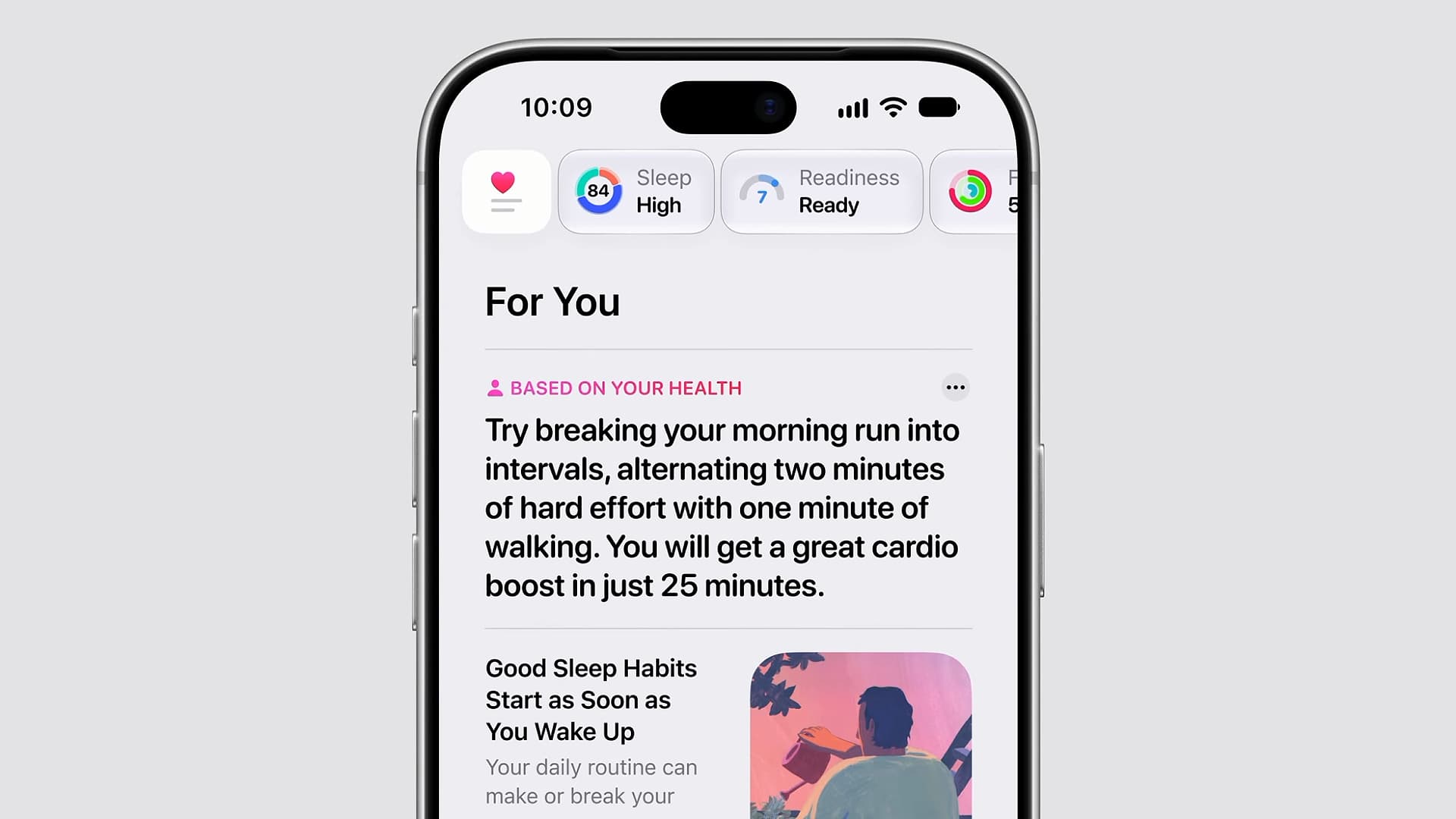
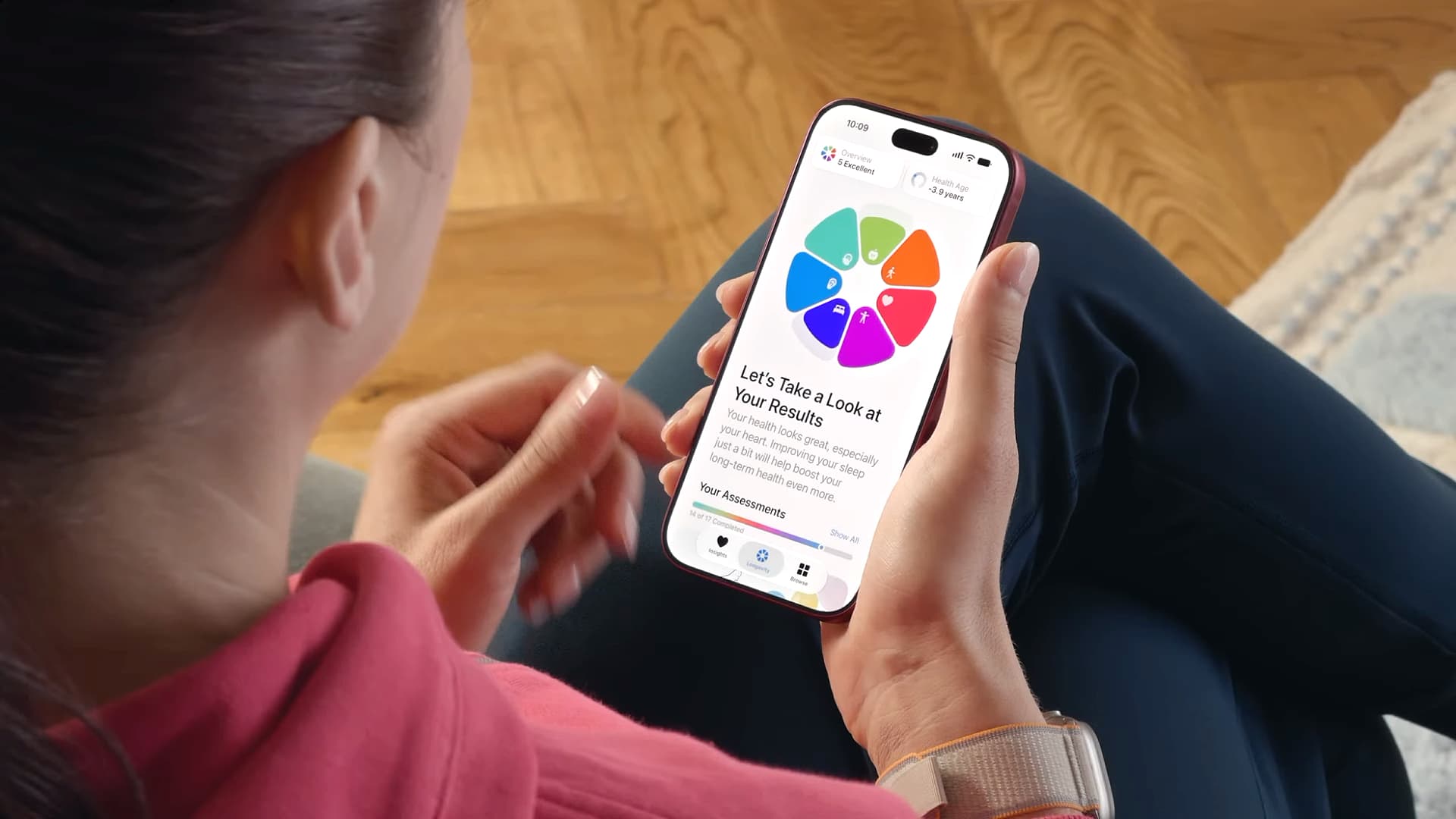
That’s not because Apple announced some sort of killer smartwatch feature that will bury the Fitbit range alive. No, it’s because viewers got to see Apple’s new plans for its Health app, which now comes with an AI-powered makeover that will likely stir up some painful emotions for many Fitbit fans.
Of course, adding AI into an app doesn’t automatically doom it. But the parallels between Apple Health and the Google Health app that Fitbit users have been lumped with — with all its wild hallucinations and crazy wellbeing inaccuracies — is undeniable.
Indeed, if the Fitbit experience is anything to go by, there’s a risk that Apple customers could be in for a bumpy ride.
Coming to your iPhone
Why might Fitbit fans be ringing a Google Health-shaped alarm bell? Well, Google-owned Fitbit announced a total overhaul of the companion app for its wearables back in May 2026 — and it was almost immediately unpopular.
The rebranded app was accused of being “unbelievably bad” amid missing features and confusing user interface decisions that made the app much less enjoyable to use than the one it replaced.
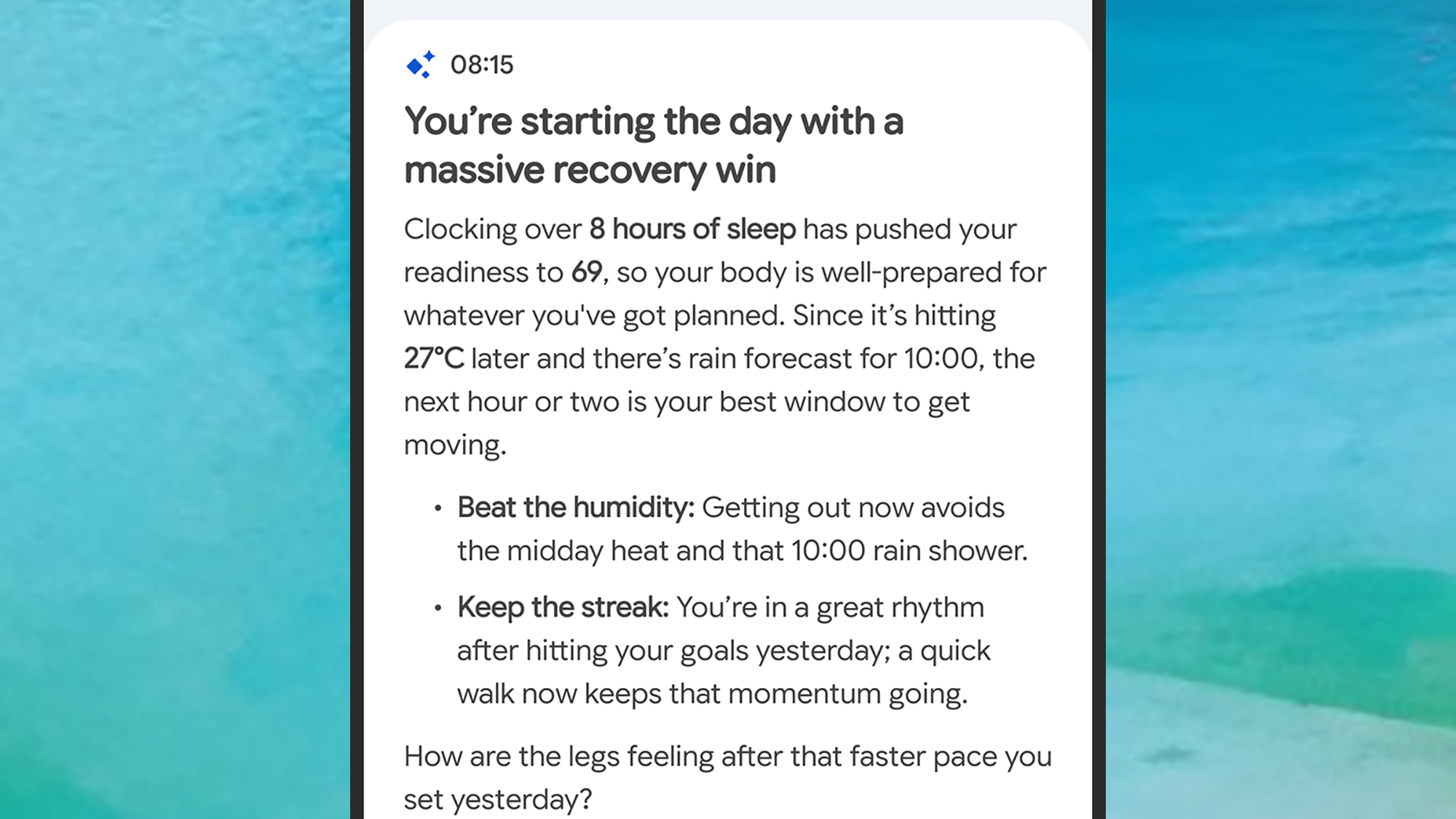
But that was just the tip of the iceberg. As the weeks and months rolled on, social media started overflowing with user complaints directly squarely at one target: Google Health’s AI assistant.
This tool is meant to analyze your wellbeing data and make suggestions on ways you can improve your fitness and live a healthier life. The problem, though, is that the AI seemed to frequently go off the rails.
I’ve written about how Google’s AI has been giving people “unhinged” fitness advice, feeding them “nonstop lies” and spinning up completely fictional food-tracking metrics. It’s a real concern and has proven to be a tremendous source of frustration to anyone unfortunate enough to have to use it.
And now with the Apple Health revamp, a similar feature might be coming to your iPhone.
An anxious wait
In any other app, patchy performance like this might just be a slight irritation. But in an app like Google Health, where the AI is making suggestions that could directly affect your physical wellbeing, the effect is much more serious.
Can Apple escape such problems with its own AI revamp? I’m not sure, despite Apple's excellent track record and cautious implementation of LLMs. After all, Apple tried to go its own way with Apple Intelligence but fell so far behind the competition that it had to enlist the help of — you guessed it – Google.
That means that the same AI models that have messed up Google Health so badly are now propping up Apple Intelligence, and with it, Apple Health.
That said, there’s no guarantee that Apple Health will go the same way as Google Health. While Google’s AI is powering many of the features inside the likes of Apple Intelligence and Siri AI, we don’t know exactly how that’s going to work in Apple’s Health app do-over. Has Apple tweaked Google’s models to its own tastes or imported them wholesale?
I’d hope that Apple has made some modifications of its own. Apple's website states that 'all of our health innovations are subject to rigorous scientific validation and are developed with clinical experts from start to finish'.
Not only that, but the company is extremely hot on user privacy and security, and what could be more vulnerable than your health data? With almost every health-related feature that it has introduced in recent years, Apple has emphasized the steps it has taken to encrypt, protect and otherwise lock down your sensitive wellbeing information.
Considering that Google could be perceived to be, relatively speaking, far more lax about user privacy, I’d be shocked if Apple hadn’t taken a peek under the hood to ensure that its Health AI is as secure and reliable as possible. It would have been hard for Apple not to notice the furor that Google Health has caused Fitbit fans.
There’s no way Apple would want that kind of feedback from its own users, so I’m hoping it’s made some adjustments to ensure that its own AI is a little less eccentric, shall we say, than Google’s.
We’re not going to know for sure until the new Health app becomes available, which won’t be until 'later this year,' Apple says. Until that happens, it’s going to be an anxious wait for any Apple user aware of the carnage suffered by their Fitbit-wielding colleagues.
via Hosting & Support
Comments
Post a Comment