With the introduction of the iPhone Duo, U.S. smartphone customers can now choose from seven contemporary folding smartphones, including one from Google, two from Motorola, and three from Samsung.
The number of laptops with foldable screens ever produced is far fewer: one each from Asus, Huawei, HP and two from Lenovo.
While the Galaxy Z Fold and Z Flip have entered an annual upgrade cycle for Samsung, the foldable-screen laptop pipeline has been quiet. The most recent - Lenovo’s ThinkPad Fold 16 Gen 2 - hit the market in November 2023, more than a year after its unveiling.
Surely, we haven’t seen the last of laptops with foldable screens, but a range of structural, technological, and economic issues have conspired to keep folding laptops from becoming more mainstream
A RAMpocalypse victim
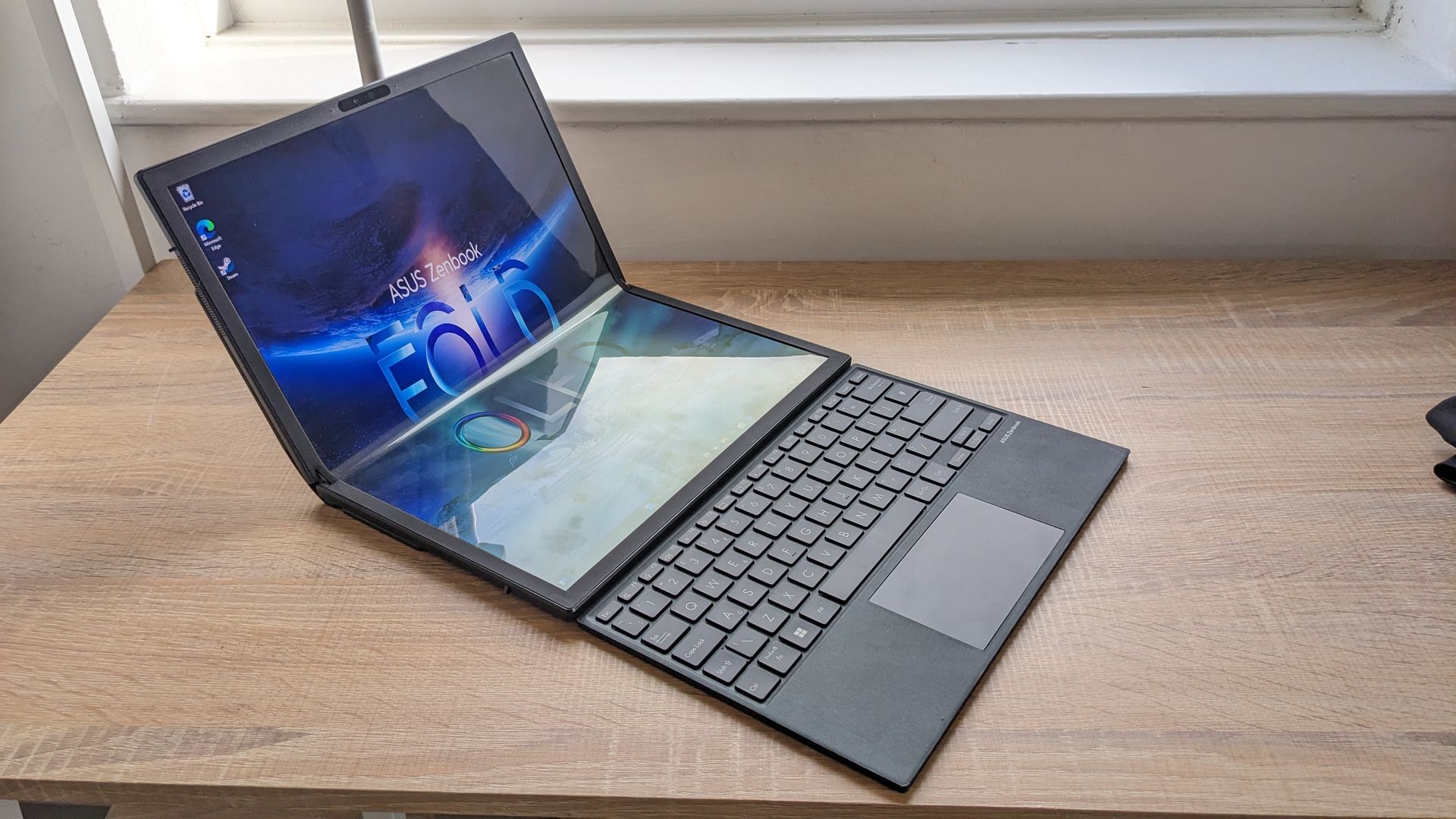
At their launches, foldable-screen laptops were among the most expensive in their line-ups. The Asus Zenbook 17 Fold OLED launched at $3,500 in 2022. A year later, the HP Spectre Foldable PC launched at $5,000, about 2.5x the price of a Galaxy Z Fold Ultra.
Obviously, anyone spending this much is going to demand performance, including substantial RAM and flash storage, the two components that have seen their prices skyrocket during the AI data center-fueled 'RAMpocalypse'. While PC vendors can eat a bit of margin on such high-end products, it’s reasonable to assume that successors launched today would require untenable prices.
On the other hand, it’s been more difficult for vendors to justify the premium because of the lack of a “device-class” jump. In other words, one of the great promises of foldable-screen phones is that you can have the functionality of a tablet in a form factor that stores in your pocket.
This isn’t just about more screen real estate. Full participants in Apple’s ecosystem understand the differences in experience between the largest iPhones and the iPad mini, which were magnified when Apple finally went full desktop GUI on the iPad in iPadOS 26.
In contrast, when it comes to foldable-screen laptops, the jump from an approximately 13” Windows experience in clamshell mode to a 16” or 17” Windows experience in unfolded mode is less dramatic. (That said, there are some niceties such as the taller aspect ratio compared to most 16” laptops and the option of a portrait mode.)
This also helps to explain why we haven’t seen any foldable tablets from Samsung or Lenovo. Curiously, most of the work around extending Windows on a folding display has been around the scenario of adapting Peek preview to make more efficient use of virtual dual screens, UI improvements that of course also apply to laptops with actual dual screens such as the Asus Zenbook Duo, which received an update this year.
Some assembly required
Furthermore, while foldable-screen phones require the extra step of unfolding to take full advantage of their screen real estate, their front displays enable everyday usage even when folded; even flip models like the latest from Samsung are improving their folded utility, In contrast, foldable-screen laptops include more significant prep trade-offs.
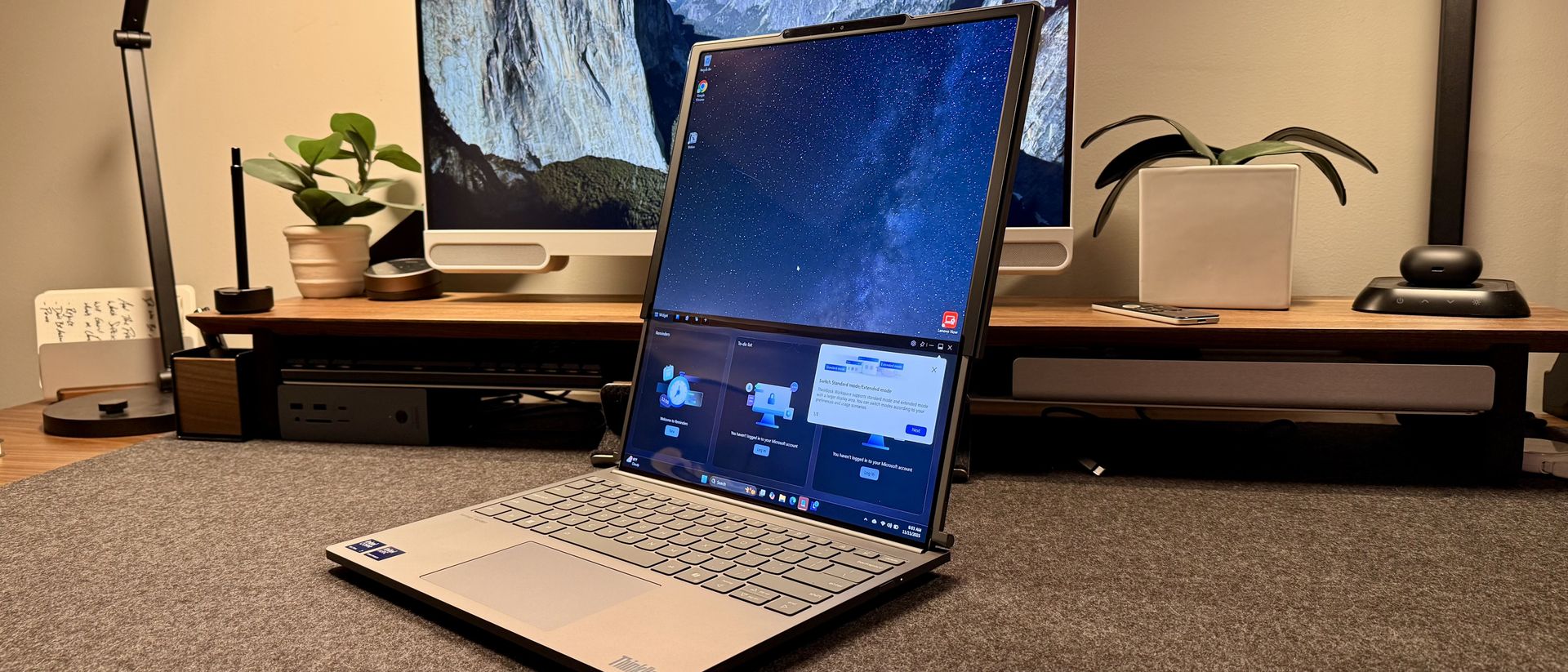
For example, while Lenovo’s first ThinkPad X1 Fold was able to store the Bluetooth keyboard between the halves of the folded display, the Gen 2 kept it separate, protected for travel by a case that doubles as a stand for the screen. When it’s time to move on, you have to reassemble the bundle, that is, after making sure to remove the keyboard lest you risk damaging the device.
In contrast, the few early glimpses of laptops with rollable screens that we’ve seen from Lenovo can make their full screen area available without any keyboard shuffling. Even though these motorized designs make you wait until the screen retracts before closing the lid, most users will likely find the trade-off worth it.
When comparing foldable-screen phones to foldable-screen laptops, it makes sense that — other things being equal — the smaller device will reap the greater relative value from extra screen real estate on demand.
But these dynamics have meant that there’s been far more working in favor of smartphones; the next generation of laptops with bending displays will require some rethinking
via Hosting & Support
Comments
Post a Comment