They might have grown up online — but Gen Z are apparently far less likely to use antivirus, study finds
- Just 27% of Gen Z respondents use antivirus software for mobile devices, and are less likely to regularly change passwords
- 57% of Gen Z spend more time online than offline, Kaspersky finds
- And only 28% regularly backup important personal data stored on their phones
Gen Z has no awareness of cybersecurity, online safety principles, or the risks of not changing your password. With just over half (52%) of respondents admitting they have had devices, data, or online accounts attacked, only 27% actually employ standard countermeasures like mobile antivirus tools.
In a study of 7200 respondents from 18 countries, the company also found only 28% regularly backup important personal data stored on their phones.
An average Gen Z-er appears to rely almost completely on their smartphone, which is where they store the information they value most, apparently without cloud backups or syncing in place. The survey has shown that social media accounts have been hacked (17%) and gaming accounts lost (12%), but smartphones have further risks to personal privacy if the correct precautions are not taken.
Gen Z needs to appreciate the risks
Access to personal photographs, identity documents, email, financial details, and of course social media profiles can be acquired via a compromised smartphone, opening the victim to a host of targeted attacks. Direct financial attacks can be made, identity theft, and more, depending on how successful the attacker is. Keeping the device out of an attackers reach, rather than inadvertently sharing its contents, is the safer course of action.
Irina Ermilova, Vice President for Consumer Product Management at Kaspersky, looked to address the apparent disconnect between a generation that has grown up with internet access and portable digital tech, and its lack of cybersecurity nous.
“Gen Z has grown up online, so digital services often feel intuitive and familiar to them. However, familiarity should not be confused with security expertise," she noted. "Being able to navigate apps, platforms and devices confidently does not necessarily mean being able to identify scams, manage passwords securely or protect personal data.”
“The findings show that cybersecurity tools and habits need to become as natural part of everyday digital life as messaging, gaming or using social media.”
Training Gen Z to find digital threats
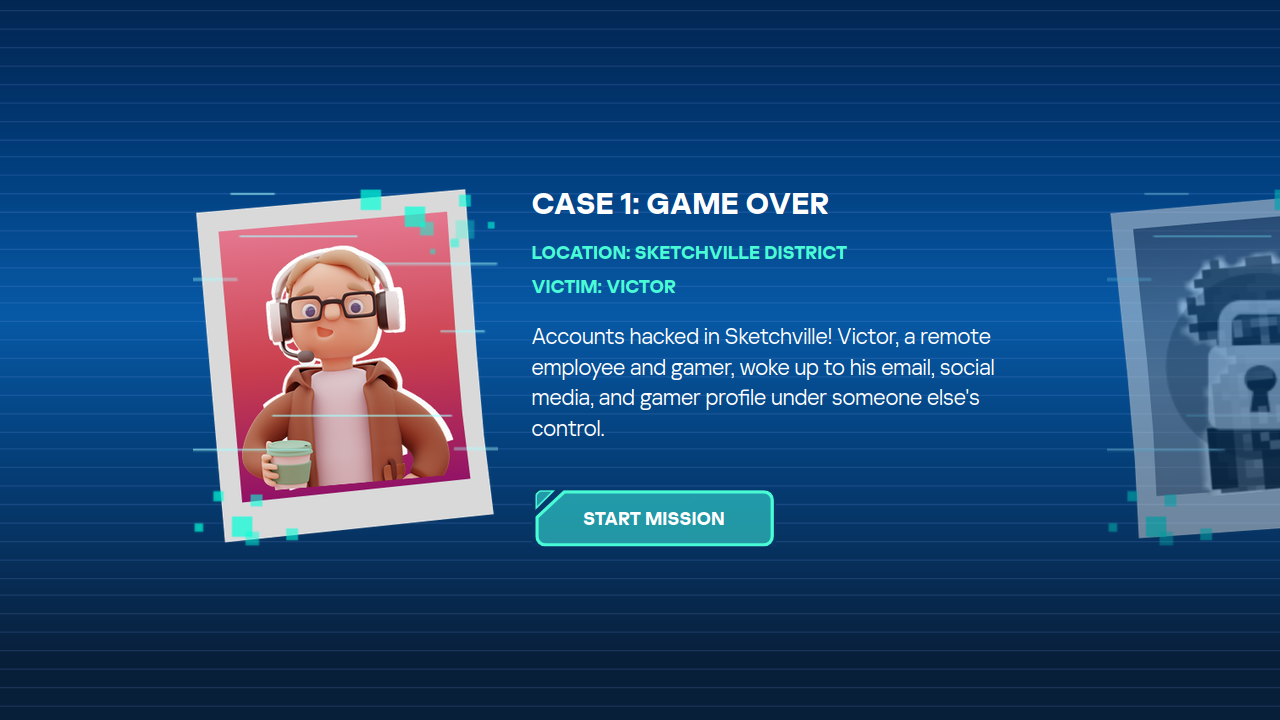
Looking for a solution to this lack of cyber-risk awareness, Kaspersky has launched an interactive online game aimed at Gen Z users. Case 404 is a "cyber-detective adventure" in the point-and-click mold, set in the future with fictional cases that have been inspired by actual digital threats.
In playing the game, Kaspersky hopes that Gen Z users will spot the scams and phishing attempts, and take that knowledge with them into the real world and stay safe and secure online.
via Hosting & Support
Comments
Post a Comment