I'm actually glad the new Siri with Apple Intelligence is delayed, and here's why we've got Apple's AI problem backwards
What if we're considering the Apple Intelligence problem backwards? Apple’s AI plans seem to be in shambles. It over-promised on upcoming iPhone features, partnered with questionable third party AI providers, and failed to deliver for so long that it's been forced to change plans entirely. There’s even a lawsuit threat.
We can blame Apple's leadership and question its commitment, but I think the problem isn't with Apple at all. The problem is with AI.
As long as I’ve covered Apple, I’ve believed it won't release a product that hasn't reached a certain level of ‘finish.’ The original iPhone launched without GPS for navigation or video recording on the Camera app.
However, it had the most complete and polished user interface ever on a smartphone, and Safari, a mobile web browser that was as advanced as a desktop browser, a feat that defied imagination.
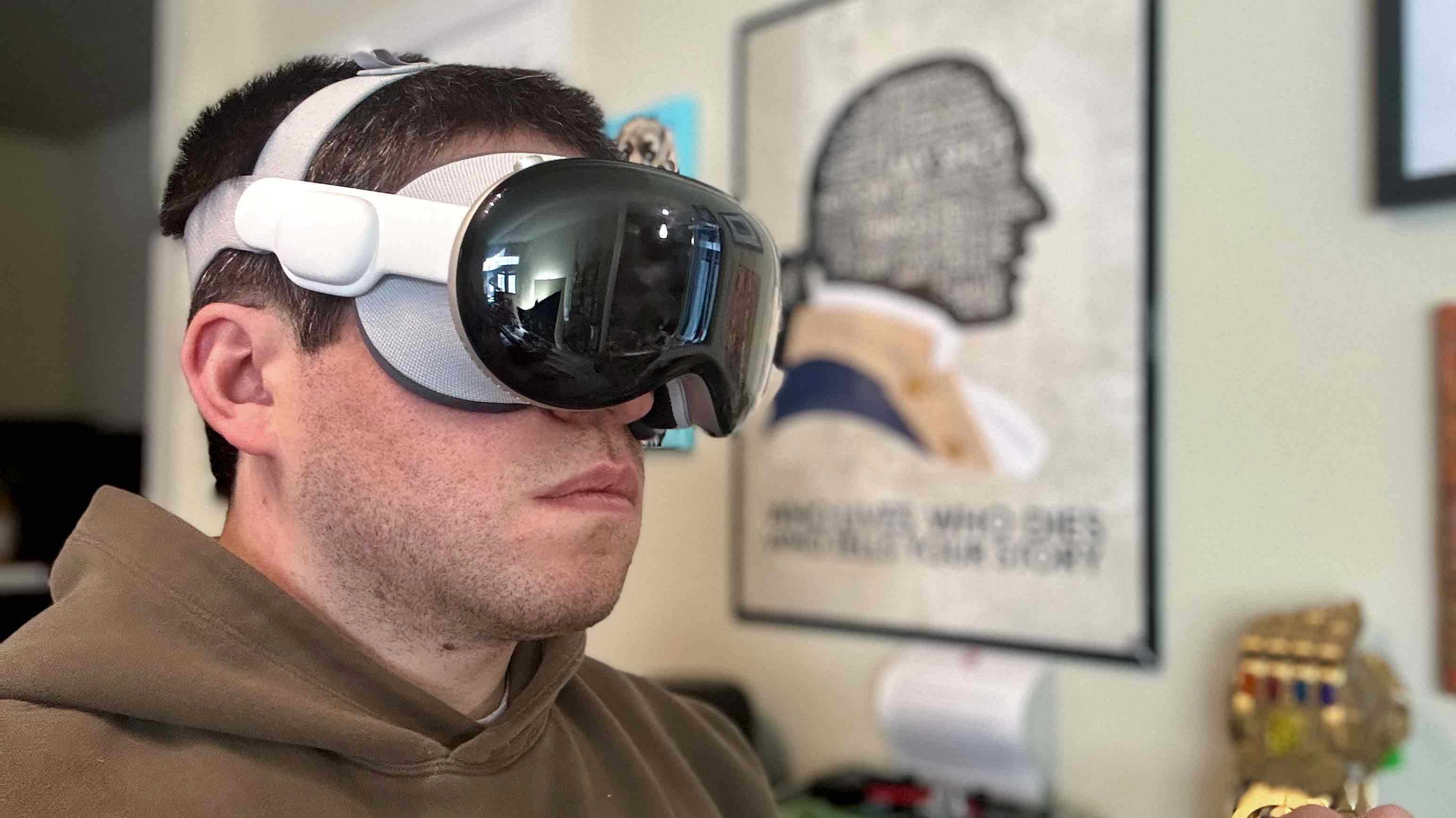
Even Apple Vision Pro, a product that underwhelmed critics, offered a fully-baked experience. Maybe Vision Pro didn't have enough features at launch to satisfy potential buyers, but the features it offered worked perfectly.
And Vision Pro is the most highly-criticized Apple product in recent memory, well before Apple Intelligence imploded.
That time Apple launched a product that didn't exist... yet
Apple Intelligence made for a weird iPhone 16 launch in many ways. For longtime Apple users, it felt wildly out of character for the company.
First, there was the ChatGPT partnership, which saw Apple offloading important features to an upstart, untested partner – loudly. That move set off some warning bells.
Then, the iPhone launched, and billboards worldwide were plastered with marketing for Apple Intelligence. The new AI was the standard-bearer for the phone, the OS, and the whole company.
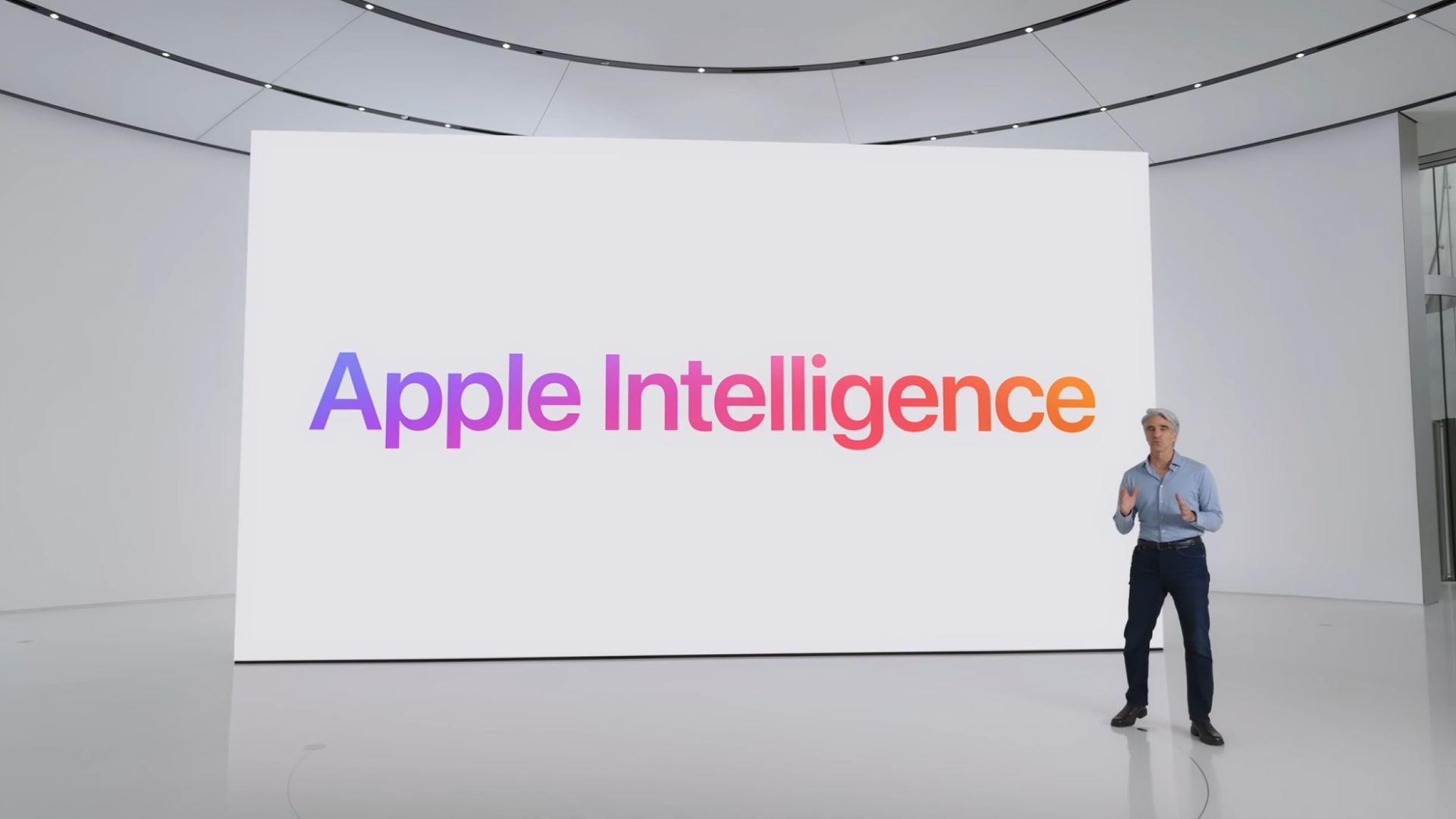
New features – who? Camera Control button? Never heard of it.
But the Apple Intelligence features weren't there! The features being advertised were mostly Coming Soon.
Even today, I can’t tell you how much of that Soon has actually arrived. It has always been unclear what is really coming soon and what will be coming in the distant future.
The last reason to use Apple Intelligence
Famously, an ad series featuring The Last of Us star Bella Ramsey seems to have disappeared from Apple’s YouTube account. The ads featured Ramsey as they made decisions about their career, seemingly with advice from Apple Intelligence and the iPhone’s ability to summarize emails and recall conversations. Ramsey relies on Apple Intelligence’s interpretation of a character to decide whether to accept a part.

When I saw those commercials, I felt kind of bad for Ramsey. I wouldn’t make important job decisions based on an AI summary, and the Apple Intelligence commercials portrayed Ramsey as being kind of amateurish, far from the person I get when I see Ramsey in interviews.
So now that the advertisement is gone, does that mean Apple Intelligence won’t be reading my emails? Will it make suggestions for my next big Hollywood role? Will it help me make decisions about what job to take?
I hope not because those are terrible reasons to use AI.
The industry rallied around AI features that don't work
...stereotypical images of people, violent images of copyrighted characters, or convincing images of fraud
The reason it was such a surprise when Apple announced that OpenAI’s ChatGPT would provide answers for Apple Intelligence, and why it shouldn’t be such a surprise that Apple Intelligence is flailing right now, is that no product could be less finished right now than AI.
Apple launches polished products that are ready to impress. There has rarely been a less impressive product than artificial intelligence on smartphones. For two years, we have heard phone makers promise features that haven’t arrived or promote features that are offensively bad.
My smartphone AI still can't read my email and make a football team calendar based on the emails I get from my kid’s coach. That was a fundamental promise of AI. Instead, we get AI image generators that will offer bigoted and stereotypical images of people, violent images of copyrighted characters, or convincing images of fraud.
Even the most basic AI feature isn’t just bad; it’s horrifying. The Apple Intelligence headline summary tool created fake headlines that were the complete opposite of the truth. When AI is spreading lies, it isn’t just a bad feature we should ignore. It’s a harmful feature that we must combat.
I don't care if Apple wins or loses, I just want a good phone
So, Apple hasn’t achieved its goals with Apple Intelligence. So what? We may have literally dodged a bullet. It was a mistake for Apple to over-promise on AI, but it won’t be a mistake if Apple abandons a bad feature that offers no benefit and may instead cause harm.
Why is that not obvious? Forget about the rat race of cheering for Apple to succeed or fail. Forget about the market frustration over a lack of innovation.
We need to take a step back and ask whether these smartphone AI features are good or bad, and when a company like Apple puts its AI plans on hold, we should applaud its caution, not fault its lack of commitment.
You might also like
via Hosting & Support
Comments
Post a Comment