Hybrid smartwatch maker Withings has just announced a couple of fresh color options for the ScanWatch Nova and with it, a slightly new name in the ScanWatch Nova Brilliant. Intended to be more of an elegant, dress watch – as opposed to the more diver-centric style of the current ScanWatch Nova – customers in the US and Australia (UK availability is TBC) have the choice of titanium silver or “bicolor silver and gold” finishes.
To coincide with the new color options, Withings has also bestowed a white dial upon the ScanWatch Nova Brilliant, with a white sub-dial at 6 o’clock to track progress towards a goal you define in the companion app, and the now-customary OLED display at 12 o’clock to show notifications and other health-related information.
Adding to its dress-watch nature is a smaller watch face of 39mm compared to the standard Nova’s 42mm, making it not only easier to slip under a shirt cuff but making it better suited to smaller wrists, too. It’s also not quite as water-resistant, being good for up to 50 meters (5ATM) compared to the 100 meters (10ATM) of the Nova.
Inside, it’s very much business as usual for Withings, with a number of health tracking and monitoring features – which can also be found on the ScanWatch 2 – including a heart rate monitor, SpO2 sensor and an on-demand medical-grade electrocardiogram (ECG), which can help to detect irregular heartbeats. It once again misses out on built-in GPS, but can use the capabilities of your phone to track distance travelled during workouts.
It also boasts a 30-day battery life and launches at the same price as the ScanWatch Nova in the US ($599.99) and Australia (AU$799.99).
Hybrid design, now a little less hybrid-ey
I’m a big fan of Withings smartwatches. I think the hybrid design is clever and a great option for anyone who wants health-tracking smarts, but without the obvious all-digital face on their wrist. I appreciate traditional analog watches, and so the current Nova is a perfect smartwatch – as you’ll find out in my Withings SmartWatch Nova review – but I’m not quite sold on the Withings ScanWatch Nova Brilliant for one glaring reason.
It certainly does look like an analog watch – the Rolex Day-Date is an immediate comparison that comes to mind – and I like the use of a white dial as a means to offer customers something different to the black of the Nova. But the digital display at 12 o’clock remaining black is a slight faux pas in my opinion.
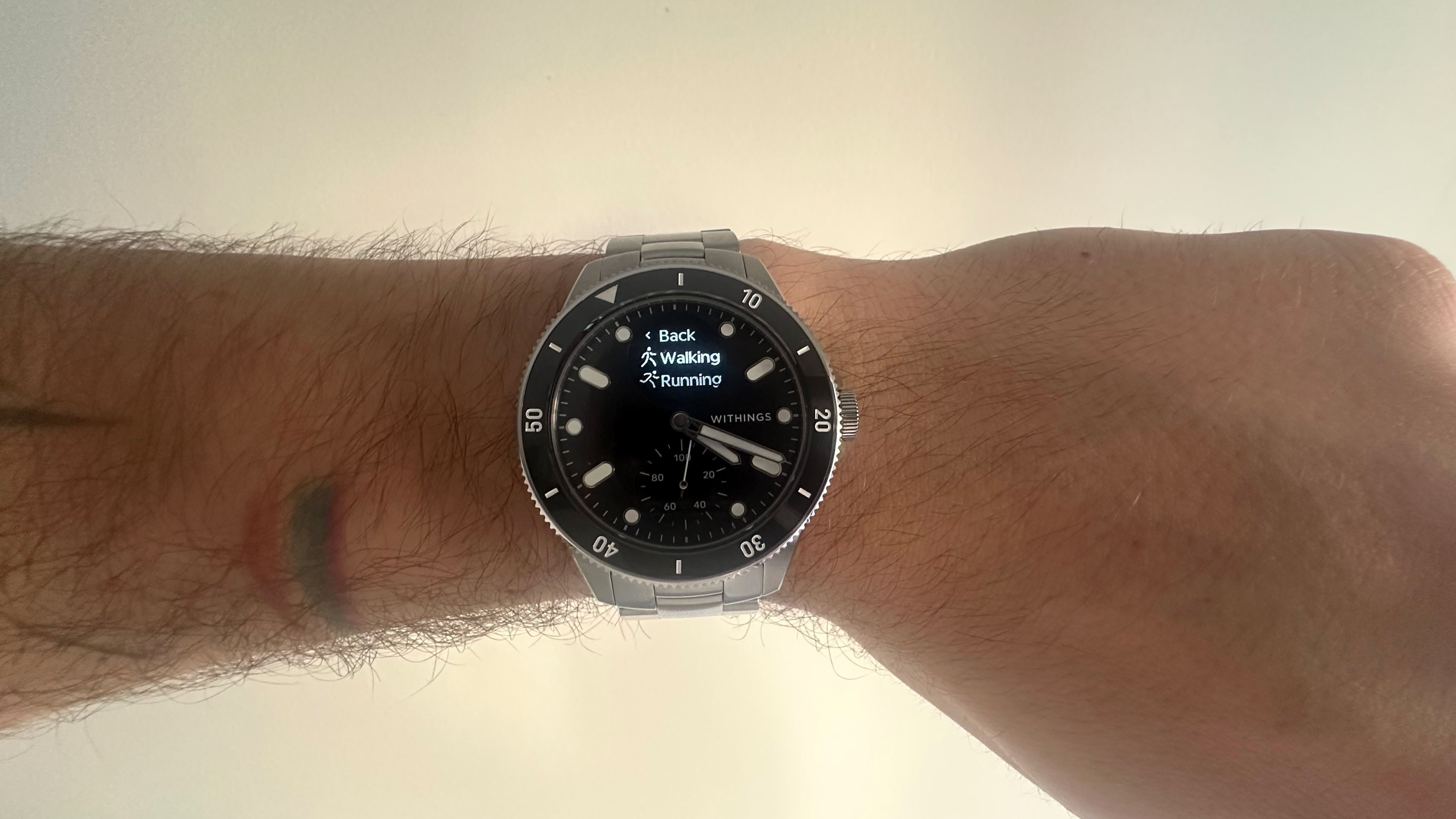
The appeal of Withings watches to me is that they hide the fact they have a digital brain, something that is amplified by the use of black dials to camouflage the OLED screen. But having the obvious contrast of both white and black dials in the ScanWatch Nova Brilliant ruins that illusion. Something I think Withings could have done was produce a sort of ‘panda’ watch, a term in the world of horology to reference watches with white dials and black sub-dials at 3 o’clock and 9 o’clock.
In the ScanWatch Nova Brilliant, there could have been a black sub-dial at 6 o’clock to balance the overall look. Of course, with many ‘panda’ watches falling into the sports or aviation-style watch categories, and the Nova Brilliant being more of a dress watch, this may not have worked.
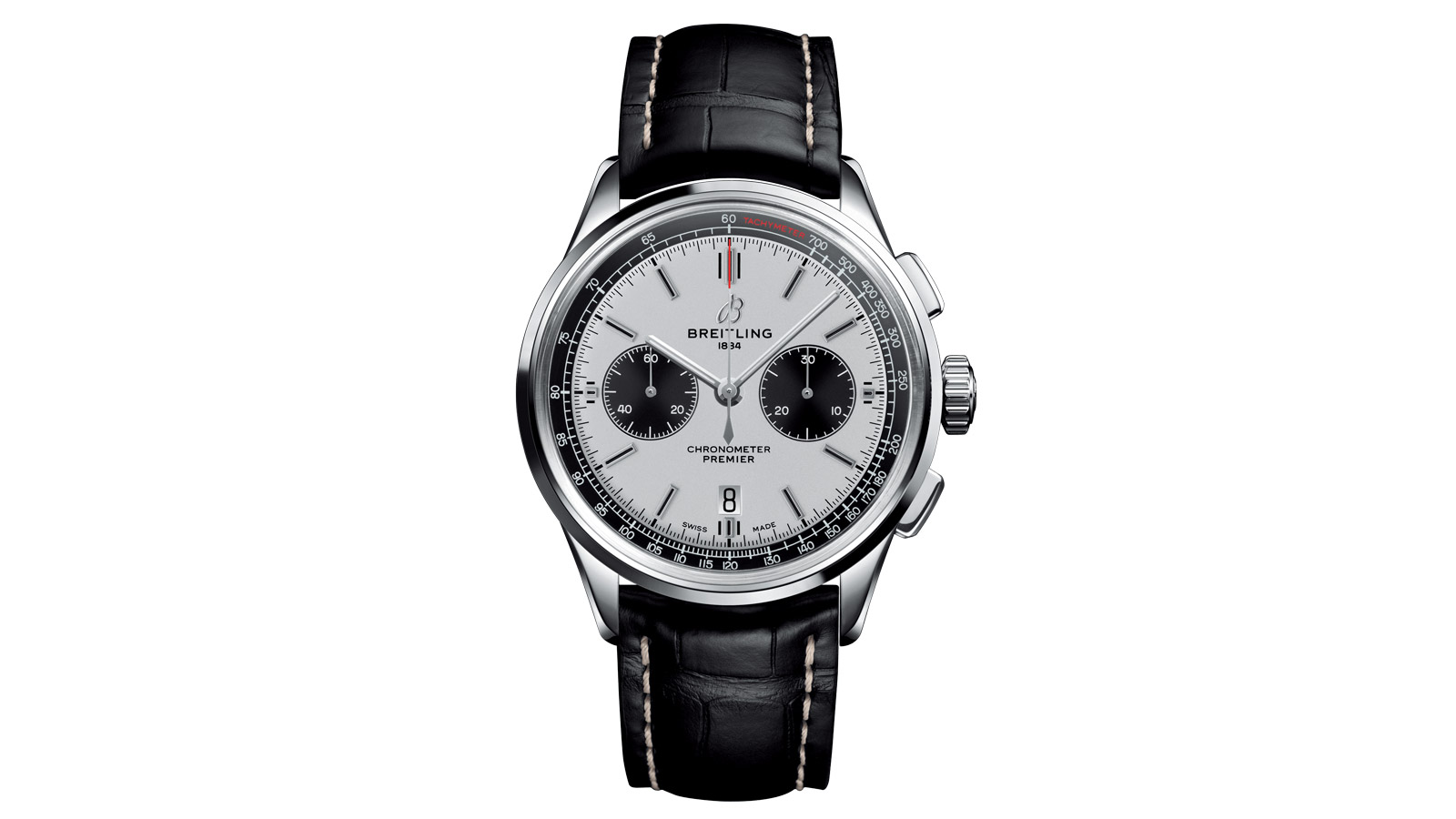
The other option would be to give the digital display at 12 o’clock a white background with black numbers and characters. It’s an OLED display after all, so it’s something that can definitely be done. At the very least, it would have been nice to have seen an option in the companion app that allows you to change the background in a similar fashion to how we can change the theme of other smartphones to light or dark. But, there’s no mention of this in the official press release, and there’s currently no such option available for the ScanWatch Nova, so I’m not expecting it to show up for the Nova Brilliant. It’s also not possible to make the display white on the white-dialled ScanWatch 2, only adding to the expectation the ScanWatch Nova Brilliant will also go without.
I think it’s a shame, because as much as I enjoy Withings’ watches, I personally can’t see myself wearing the ScanWatch Nova Brilliant to a formal event. I’d prefer to wear something a little more understated, or at the very least attract attention for the right reasons. Having an obvious black OLED screen on show isn’t such a good look in my book. But, maybe I’m a watch snob?
You might also like...
via Hosting & Support
Comments
Post a Comment