I hope Samsung leans on AI to make the Galaxy Z Fold 6 special – because right now it’s looking boring
The next Samsung Galaxy Unpacked is likely just a few weeks away and we expect to see the Samsung Galaxy Z Fold 6, Galaxy Z Flip 6, Galaxy Ring, and more. But I’d place a decent bet that we’ll also hear more about Samsung’s work on artificial intelligence, specifically with Galaxy AI.
While I’m sure AI will help with Samsung’s fitness and wellness devices and software, I’ve been chewing over how smart software could impact the South Korean tech giant’s next-generation foldable phones.
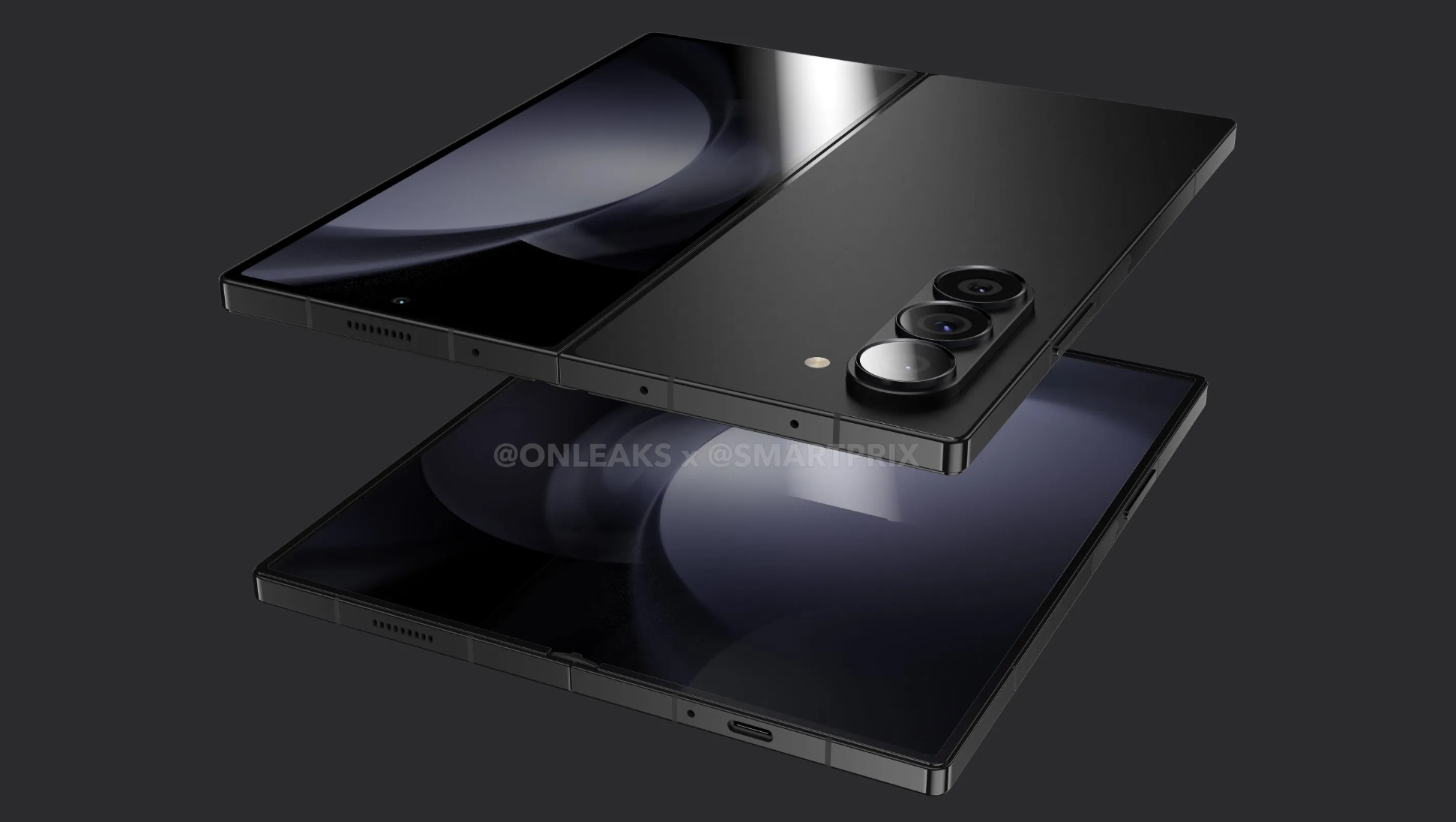
Going off the rumors, the Galaxy Z Fold 6 will be but a minor upgrade over its predecessor, while the Galaxy Z Flip 6 should have a slightly more significant update. However, for the foldables to grab one’s attention over the rest of the best foldable phones, I feel Samsung will need to do more on the software side. And I think AI will be needed.
Logic would dictate that many of the Galaxy AI features found in the Samsung Galaxy S24 series will make it over to the upcoming Galaxy folding phones. Expect Generative Edit and other tools like real-time translation to arrive.
My hope is that tools like Generative Edit will be easier to use thanks to more screen space on a foldable display – at least in the case of the Fold 6. Even on the excellent Samsung Galaxy S24 Ultra, I can find it a tad tricky to edit photos the way I want them, meaning more space to tap and drag would likely work well with smart AI-powered editing and productivity tools.
Work smarter not harder
Speaking of productivity, I find the Galaxy Fold phones great for getting stuff done while on the move. Thanks to the larger screen space, suite of onboard Google work-centric apps, and reasonably solid virtual keyboard, I've written whole features on a Galaxy Fold. But I want more.
I’d love to see Samsung integrate AI into the Galaxy Z Fold 6, which will make getting stuff done while moving about a lot easier. For me, that means automatically suggesting smart layouts when multitasking rather than needing me to navigate what I feel is a rather fiddly process of positioning multiple apps in windows and jumping between them.
I also want to see AI used to more smartly predict what I’m trying to write, as I still feel Samsung’s predictive text on its keyboards is somewhat hit-and-miss.
And building upon that, I’d like to see AI help organize my apps both in the apps draw – which is one aspect of Samsung’s OneUI that I don’t like given how the apps are arranged and navigated – and on the homescreen, smartly positioning similar apps together and in places based on how much I access them.
While I suspect we’ll not get an integrated S Pen holder in the Galaxy Z Fold 6, going by the rumors so far, I hope that Samsung uses AI to make the S Pen more effective on the next-gen Fold; I’m talking about Circle to Search that can search all manner of information within a large circle, and the ability to convert scribbles to text and art smartly.
On top of that, I’d really like to see Samsung use the Galaxy Z Fold 6, and to a lesser extent, the Galaxy Z Flip 6, to introduce brand-new Galaxy AI features in addition to the ones we’ve already seen.
After all, I feel Samsung will need to pull something out of the AI bag to detract attention from Apple Intelligence, which I suspect will only gather pace in the consumer world with the full launch of iOS 18 and the rumored iPhone 16, likey arriving this September.
You might also like
via Hosting & Support
Comments
Post a Comment